


Eyelid surgery (blepharoplasty)


Procedure Information


Book a no-obligation
consultation

Or contact us
Learn more about the procedure
Before and After the Procedure
How does eyelid surgery (blepharoplasty) work?
Consultation and treatment plan
The doctor will assess the condition of the skin, fat pads, and eyelid position, and recommend local or general anesthesia. You will discuss the extent of the procedure (upper, lower, or combined) as well as the suitability of the transconjunctival approach. The goal is to achieve a natural, symmetrical result and establish a clear plan for aftercare and follow-up.
Procedure details
For upper eyelids, the incision is made in the natural skin fold so that the scar becomes inconspicuous after healing. Excess skin is removed, and the amount of fat tissue is adjusted to create a smoother transition between the eyelid and eyebrow. For lower eyelids, the incision is made just below the lashes or on the inner side of the eyelid (transconjunctivally) if fat pads are predominant. In selected cases, the doctor may add fat transfer to hollows to harmonize contours.
Immediately after the procedure
The area should be cooled, sleeping with the head elevated is recommended, and a gentle regimen should be followed. Swelling and bruising usually subside gradually over two to three weeks. For skin incisions, sutures are typically removed around the seventh to tenth day. Return to normal activities is gradual and guided by the attending physician’s recommendations.
Post-operative Course


What’s Included in the Procedure Price
- Local or general anesthesia, depending on indication
- Surgical procedure (upper, lower, or both eyelids, including transconjunctival method)
- Postoperative medication package
- Follow-up appointment and suture removal

Procedure Price
Interested in a no-obligation consultation or the procedure itself? Leave us your contact details and we will get back to you.

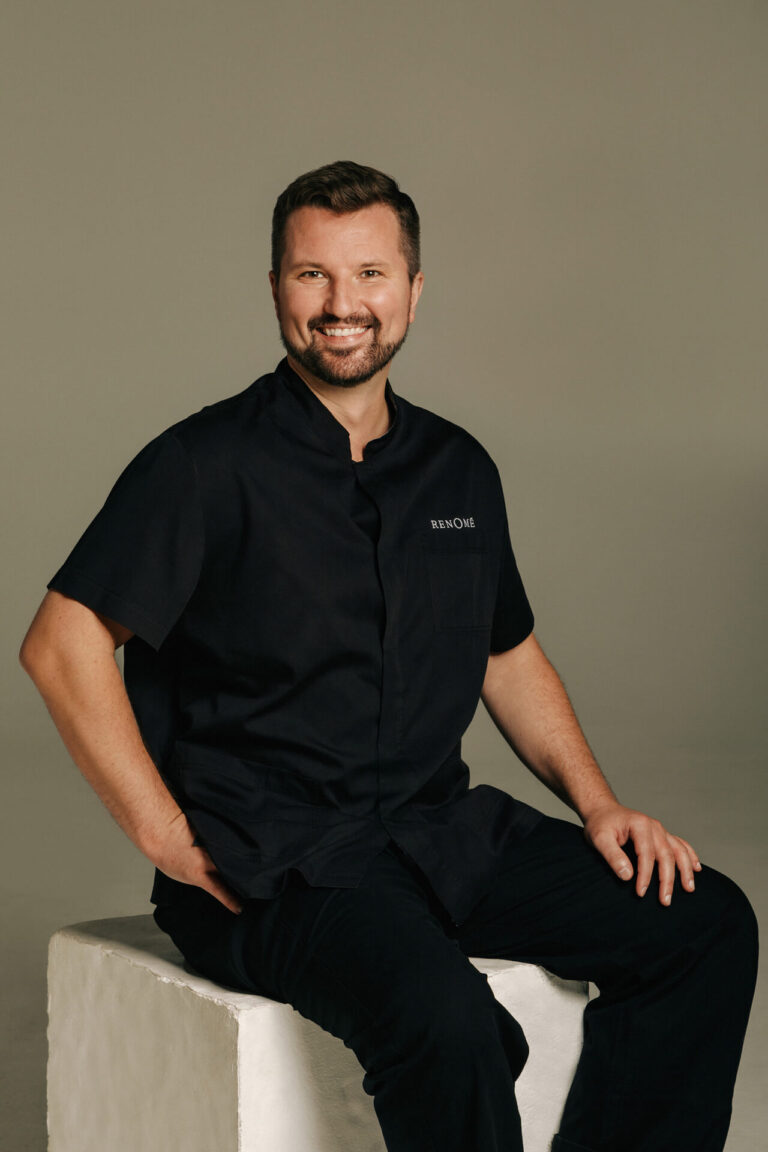
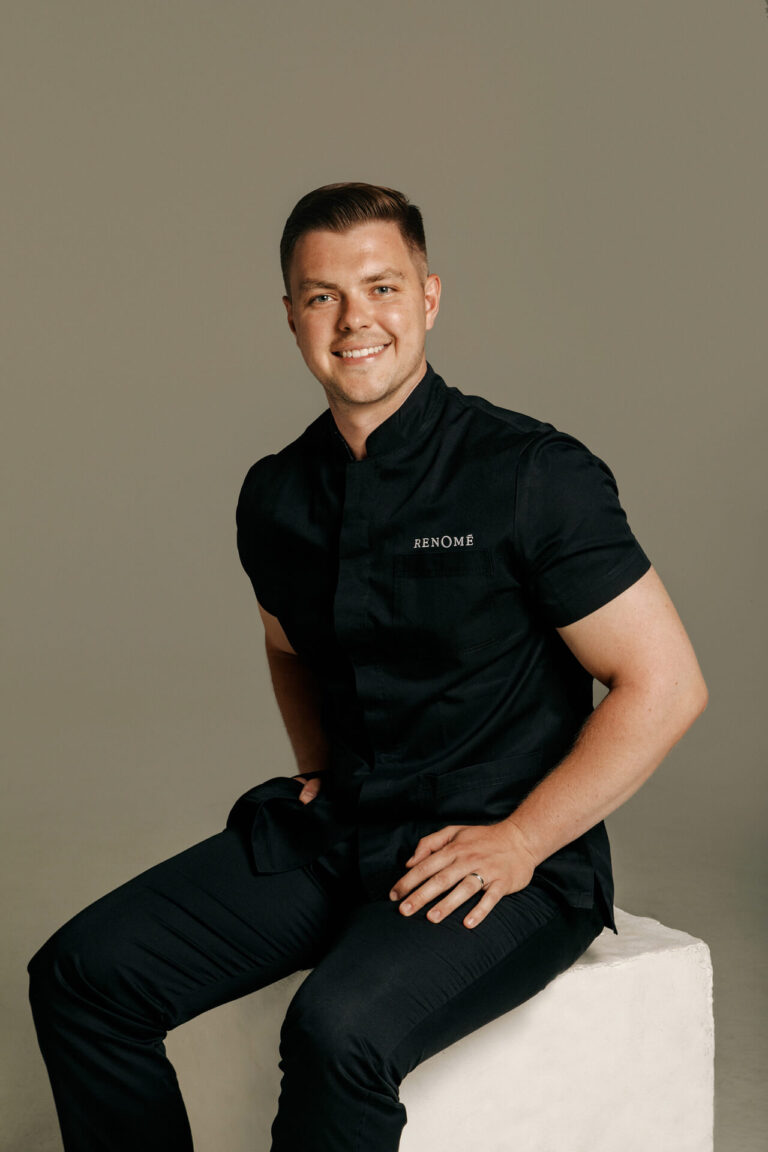
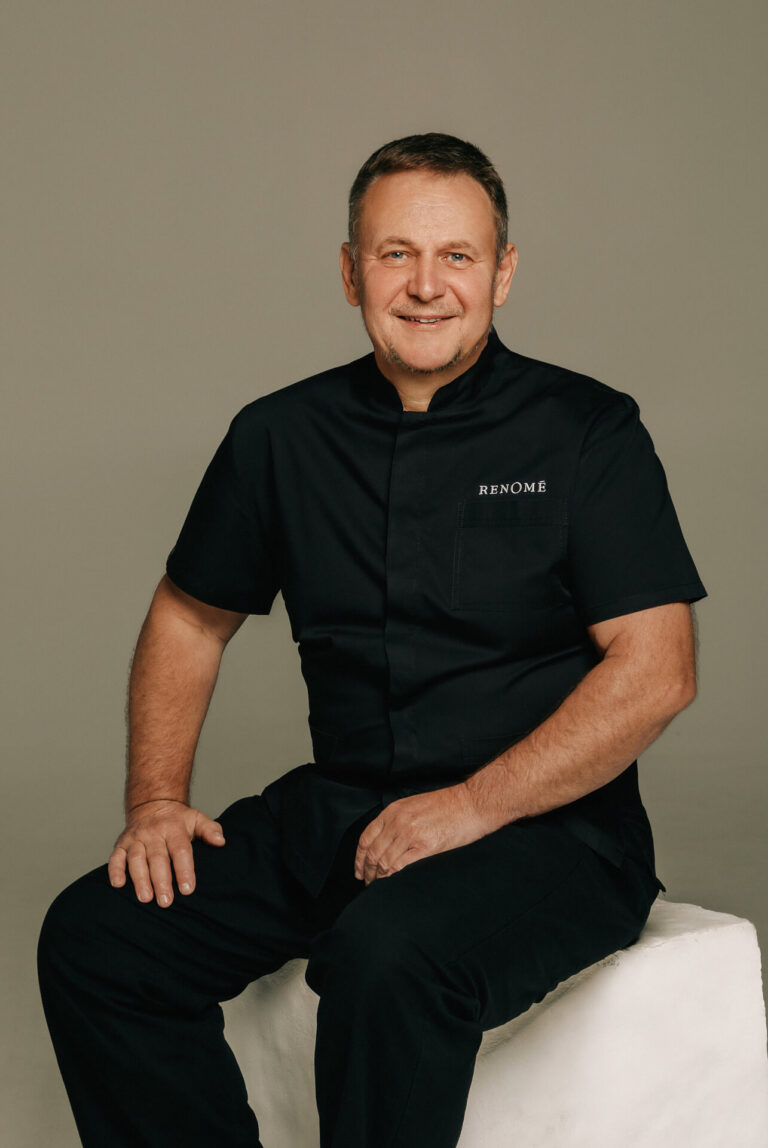
This procedure is performed by
the best in the field



Frequently Asked Questions
How can I schedule a consultation?
A standard consultation takes approximately 30–60 minutes. During the consultation, the doctor will assess your situation, explain possible treatment options, and answer all your questions.
What are the pre-operative instructions?
Compression garments should be worn continuously for 6–8 weeks, including during sleep. They help reduce swelling, support the tissues, and promote scar healing. After consulting with your doctor, wearing time can be gradually reduced.
Are plastic surgeries painful?
Compression garments should be worn continuously for 6–8 weeks, including during sleep. They help reduce swelling, support the tissues, and promote scar healing. After consulting with your doctor, wearing time can be gradually reduced.